What I Learned About Healing: How Food and Medicine Work Together
Recovery isn’t just about pills — I’ve learned that what you eat can seriously impact how your body responds to treatment. When I started paying attention to my diet during rehabilitation, the changes surprised me. This isn’t medical advice, but my real experience with how combining medication and smart food choices made a difference. It’s not magic — it’s science, patience, and daily choices adding up. Healing is not a straight line, but a collaboration between the care we receive and the choices we make every day. What I discovered was that food and medicine, when aligned, can work as a quiet but powerful team.
The Moment Everything Changed
It started with fatigue — a deep, unrelenting kind that no amount of rest could fix. I was following my treatment plan exactly as prescribed: taking medications on time, attending therapy sessions, and getting enough sleep. Yet, I still felt heavy, foggy, and emotionally drained. One morning, after struggling to get out of bed despite a full night’s rest, I sat at the kitchen table and stared at my reflection in the toaster. That’s when it hit me: I was doing everything right on paper, but my body wasn’t healing the way I expected. The turning point came during a routine check-in with my care team. My doctor mentioned, almost in passing, that certain medications can affect energy, digestion, and even mood — and that nutrition might play a role in how well I tolerated them. It was the first time I considered that healing wasn’t just about what I took, but also about what I ate.
That conversation sparked a shift. I began to see my recovery as more than a medical checklist. It was a full-body process, influenced by sleep, stress, movement, and especially food. Up until then, I had treated diet as secondary — something to worry about later, once I was “better.” But what if waiting was part of the problem? What if my body needed better fuel now, not later, to respond to treatment? This realization didn’t come with a dramatic epiphany, but with quiet curiosity. I started asking questions: Could my afternoon crashes be linked to what I ate for lunch? Was my bloating related to the timing of my pills? These small inquiries led to bigger changes — not overnight, but gradually, as I began to treat food as part of my healing toolkit, not just comfort or convenience.
Understanding the Basics: How Medications Work in the Body
Medications are designed to interact with specific systems in the body — whether it’s calming inflammation, supporting nerve function, or regulating mood. But they don’t work in isolation. For a drug to be effective, it must be absorbed properly, distributed where it’s needed, and eventually broken down and removed. This process relies heavily on the liver and digestive system, both of which are deeply influenced by what we eat. Think of medication as a key trying to unlock a door in your body. If the lock is rusty or the door is blocked, the key won’t turn as easily. Nutrition helps keep that door well-oiled and accessible.
One of the most important factors in medication effectiveness is consistency — taking the right dose at the right time, every day. But timing isn’t just about the clock; it’s also about what’s in your stomach. Some medications work best on an empty stomach, while others need food to be absorbed properly. Fat, fiber, and even acidity levels in a meal can alter how quickly or slowly a drug enters the bloodstream. For example, a high-fat meal might slow down absorption, leading to delayed effects, while an empty stomach might cause irritation or rapid release. These nuances matter, especially when your body is already under stress from illness or recovery.
The liver plays a central role in metabolizing most medications, breaking them down into forms the body can use or eliminate. This organ works quietly but constantly, and it thrives on support. Nutrients like B vitamins, antioxidants from fruits and vegetables, and adequate protein help the liver function efficiently. On the other hand, excessive sugar, alcohol, or processed foods can burden it, potentially slowing down how medications are processed. Similarly, the gut microbiome — the trillions of bacteria living in your digestive tract — influences inflammation, immunity, and even how certain drugs are activated. A balanced diet rich in fiber, fermented foods, and diverse plant compounds helps maintain a healthy gut, which in turn supports the entire healing process.
Why Food Isn’t Just Fuel — It’s Part of the Treatment
For years, I thought of food as simply energy — something to keep me going until the next meal. But during recovery, I began to see it differently. Food isn’t passive; it’s active information for the body. Every bite sends signals that influence inflammation, hormone balance, cell repair, and brain function. Certain nutrients can enhance the effects of medication, while others may interfere. For instance, omega-3 fatty acids found in fatty fish, flaxseeds, and walnuts have natural anti-inflammatory properties. When combined with medications aimed at reducing inflammation, they may support the body’s response, potentially allowing for better symptom control.
I noticed this firsthand when I began adding more whole foods to my meals. My joint stiffness, which had been a persistent issue, started to ease slightly within a few weeks of increasing my intake of leafy greens, berries, and nuts. I wasn’t replacing my medication — I was supporting it. This concept, known as dietary synergy, refers to how different foods and nutrients work better together than in isolation. Vitamin C, for example, enhances the absorption of plant-based iron, while healthy fats help the body absorb fat-soluble vitamins like A, D, E, and K — all of which play roles in healing. Pairing a medication that supports tissue repair with a diet rich in protein, zinc, and vitamin C creates a more favorable environment for recovery.
Equally important is avoiding foods that may hinder progress. High-sugar diets, for example, can increase inflammation and disrupt blood sugar balance, which may worsen fatigue and mood swings — side effects that some medications already contribute to. Processed foods with hidden sodium can lead to fluid retention, adding discomfort. And while it’s tempting to rely on caffeine or sugary snacks for a quick boost, these often lead to energy crashes later, making it harder to maintain stability. Recognizing these patterns helped me shift from reactive eating — grabbing whatever was convenient — to intentional eating, where each meal was an opportunity to support my body’s healing rhythm.
Common Dietary Mistakes People Make During Treatment
One of the most common pitfalls during recovery is underestimating the impact of small dietary habits. Many people, including myself at first, assume that as long as they’re taking their medication, food choices are a low priority. But the truth is, everyday decisions add up. One of the biggest mistakes is consuming hidden sugars — not just in desserts, but in sauces, breads, and even “healthy” packaged foods labeled as low-fat or diet. These sugars can cause blood glucose spikes, leading to energy fluctuations that mimic or worsen medication side effects like irritability or brain fog.
Another frequent issue is dehydration. When focused on pills and appointments, it’s easy to forget to drink enough water. Yet, hydration is essential for every bodily function, including the transport and breakdown of medications. Even mild dehydration can slow digestion, reduce energy, and impair cognitive function. I learned this the hard way during a week when I was traveling and relied mostly on coffee and airport snacks. By day three, my fatigue worsened, my digestion slowed, and my mood dipped — not because my medication had changed, but because my hydration and food quality had.
Self-prescribed supplements are another area of risk. It’s common to hear about vitamins or herbal products that “boost energy” or “support immunity,” but not all supplements are safe to take with medication. Some can interfere with how drugs are metabolized, either reducing their effectiveness or increasing the risk of side effects. St. John’s Wort, for example, is known to interact with several types of medication, though many people assume it’s harmless because it’s “natural.” Similarly, high doses of certain vitamins, like vitamin K or E, can affect blood clotting, which may be dangerous if you’re on related treatments. The lesson here isn’t to avoid supplements entirely, but to consult a healthcare provider before adding anything new — even if it’s sold over the counter.
Finally, skipping meals or relying on convenience foods may seem like a small compromise, but it can undermine recovery over time. When the body lacks consistent nutrition, it enters a state of stress, releasing hormones that increase inflammation and reduce healing efficiency. Processed meals often lack the fiber, protein, and micronutrients needed for tissue repair and immune support. Over time, this nutritional gap can make it harder for medication to work as intended, creating a cycle where you feel worse, do less, and heal slower.
Building a Supportive Eating Pattern: Simple Changes That Help
Healing doesn’t require a perfect diet — it requires consistency, balance, and intention. One of the most helpful shifts I made was moving from strict rules to sustainable patterns. Instead of aiming for flawless eating, I focused on incorporating more whole, minimally processed foods into my daily routine. This meant choosing oats over sugary cereals, grilled chicken over processed deli meat, and fresh fruit instead of packaged snacks. These changes weren’t about restriction; they were about giving my body the tools it needed to respond to treatment.
Meal timing became another key factor. I started aligning my eating schedule with my medication routine. If a pill needed to be taken with food, I made sure to eat a balanced meal — not just a cracker or a banana, but something with protein, healthy fat, and fiber to slow digestion and support steady absorption. If a medication worked best on an empty stomach, I planned my meals around it, avoiding food for the recommended window. This required some planning, but it paid off in more predictable energy and fewer side effects.
Practical strategies made a big difference. I began meal prepping on weekends, chopping vegetables, cooking grains, and portioning proteins so that healthy options were always within reach. Reading food labels became a habit — not to obsess over calories, but to spot hidden sugars, sodium, and unhealthy fats. I also kept a water bottle with me at all times, setting small goals like finishing one before lunch and another by dinner. These weren’t grand gestures, but small, repeatable actions that built a foundation for better health.
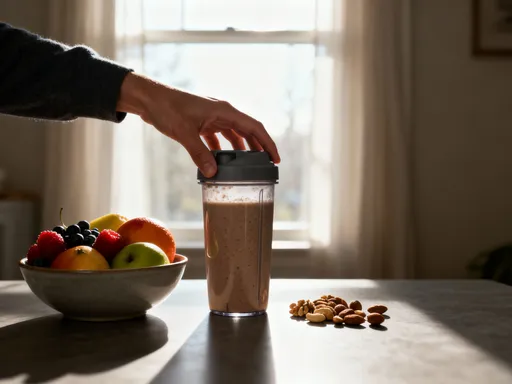
A sample day in my supportive eating pattern might look like this: breakfast of scrambled eggs with spinach and avocado on whole grain toast, with a cup of herbal tea; a mid-morning snack of Greek yogurt with berries; lunch of grilled salmon with quinoa and roasted vegetables; an afternoon apple with almond butter; dinner of lean turkey with sweet potato and steamed broccoli; and a small handful of walnuts before bed. This structure wasn’t rigid — some days I ate soup, others I had leftovers — but the principles remained: balanced macronutrients, whole ingredients, and alignment with medication timing. Over time, this approach didn’t just support my treatment — it gave me a sense of control and stability.
Listening to Your Body: Tracking What Works
One of the most empowering tools in my recovery was learning to listen to my body. Symptoms like fatigue, bloating, mood changes, or sleep disturbances aren’t just inconveniences — they’re signals. I started keeping a simple journal, not to track every calorie or gram, but to note patterns. I wrote down what I ate, when I took my medication, and how I felt throughout the day — energy levels, digestion, mental clarity, and sleep quality. After a few weeks, trends began to emerge. I noticed that on days when I ate more protein at breakfast, my energy stayed steadier. When I skipped lunch, my afternoon anxiety increased. When I drank more water, my digestion improved.
This self-observation didn’t lead to instant fixes, but it helped me make informed adjustments. Instead of guessing why I felt off, I could look back and see possible connections. Journaling also reduced my anxiety — I wasn’t just reacting to how I felt; I was understanding it. There were moments when I considered changing my medication or cutting out entire food groups, but I learned to pause and consult my doctor first. Some symptoms, like persistent nausea or severe mood shifts, needed professional evaluation, not personal experimentation. The goal wasn’t to become my own doctor, but to become a more informed participant in my care.
Tracking also helped me celebrate small wins. On days when I felt better, I could look back and see what contributed — maybe it was eating a balanced dinner, taking my pill on time, or getting eight hours of sleep. These moments reinforced the value of consistency and reminded me that healing is made up of many small choices, not one big breakthrough.
Healing Is a Team Effort — And You’re in Charge
Recovery is not something that happens to you — it’s something you actively participate in. Doctors, dietitians, therapists, and pharmacists provide essential guidance, but the daily decisions are yours. No prescription can eat a healthy meal for you. No therapist can choose water over soda. The power lies in the quiet, consistent actions that shape your days. What I’ve learned is that healing is not a race, but a practice — one that requires patience, self-compassion, and attention to detail.
Seeing health as an ongoing journey, rather than a destination, has changed my mindset. I no longer wait to feel “normal” before living well. Instead, I focus on what I can do today to support my body and mind. This shift hasn’t eliminated challenges, but it’s given me resilience. I understand now that food and medicine are not opposites — they are allies. When used together with awareness and care, they create a stronger foundation for healing than either could alone.
My experience isn’t universal, but it’s real. It’s built on trial, error, observation, and the willingness to learn. If there’s one thing I hope others take away, it’s this: you are not powerless in your recovery. Every meal, every glass of water, every moment you choose to listen to your body — these are acts of strength. Healing is not just about surviving. It’s about learning, growing, and discovering the quiet power of showing up for yourself, one day at a time.