How I Finally Found Relief: My Simple Medication Journey in Recovery
When rehab felt overwhelming, medication became a quiet game-changer in my recovery. It wasn’t magic—just steady support that helped me regain balance. I used to think healing meant pushing through alone, but adding the right medical support made real progress possible. This is my story of small steps, honest struggles, and the subtle but powerful effects that added up. At first, I resisted the idea of medication, fearing it might replace one dependency with another. But over time, I learned that true strength isn’t in enduring pain silently—it’s in using every safe, science-backed tool available to rebuild a healthier life. What began as a hesitant step toward treatment turned into a foundation for lasting change.
The Breaking Point: Hitting Reset in Rehabilitation
There was a moment—clear and unignorable—when I knew I could no longer keep going the way I had been. It wasn’t a dramatic event, but a quiet accumulation of exhaustion: sleepless nights spent staring at the ceiling, mornings where even getting out of bed felt like climbing a mountain, and days blurred by foggy thinking and emotional instability. I had entered rehabilitation with determination, believing willpower alone would carry me through. I attended every session, listened to every counselor, and tried to follow the routines. Yet, despite my effort, I kept slipping—triggered by stress, haunted by cravings, and overwhelmed by mood swings that came without warning.
My body and mind were in constant conflict. I wanted to change, but my nervous system seemed to resist every attempt. Simple tasks—cooking a meal, calling a family member, attending a group meeting—felt insurmountable. I wasn’t lazy; I was struggling with biological forces I didn’t fully understand. That’s when a therapist gently suggested I speak with a medical provider about medication-assisted treatment. At first, I recoiled at the idea. Didn’t taking medication mean I wasn’t really recovering? Wasn’t real healing supposed to be earned without assistance? These thoughts echoed in my mind, fueled by stigma and misunderstanding.
But the turning point came when I realized that resistance wasn’t strength—it was isolation. I had been holding onto a false belief that healing required suffering. In truth, modern medicine recognizes that recovery is not a moral test. For many, the brain chemistry altered by prolonged substance use needs time and support to rebalance. Acknowledging that need wasn’t weakness; it was honesty. Letting go of pride and opening myself to medical guidance marked the real beginning of my recovery journey. That decision—to consider medication not as a crutch, but as a bridge—changed everything.
Understanding the Role of Medication in Recovery
One of the most persistent myths about medication-assisted treatment is that it simply replaces one drug with another. This misunderstanding can prevent people from accessing life-changing care. In reality, medications used in recovery are carefully designed to stabilize brain function, reduce cravings, and ease withdrawal symptoms without producing a euphoric high. They work by targeting specific neural pathways affected by substance use, helping the brain regain equilibrium so that emotional and behavioral healing can take place.
For example, certain medications help regulate dopamine levels, which are often severely disrupted after prolonged substance use. When dopamine fluctuates unpredictably, it can lead to intense cravings, depression, and difficulty experiencing pleasure in everyday activities. By smoothing these chemical imbalances, medication creates a more stable internal environment. This doesn’t erase the need for personal effort—it makes effort possible. Imagine trying to rebuild a house during an earthquake. Therapy, counseling, and lifestyle changes are the tools, but medication helps stop the ground from shaking.
It’s also important to emphasize that medication is not a standalone solution. Its greatest effectiveness comes when integrated into a comprehensive treatment plan that includes behavioral therapy, peer support, and ongoing medical supervision. Studies have shown that individuals who combine medication with counseling are more likely to remain in treatment, reduce substance use, and improve overall functioning. The goal isn’t dependence avoidance at all costs—it’s sustainable recovery. And for many, medication is a key component in achieving that stability.
Another misconception is that using medication means giving up on being “truly clean.” But recovery isn’t defined by the absence of all pharmaceuticals—it’s defined by improved quality of life, restored relationships, and the ability to function meaningfully. People with chronic conditions like diabetes or hypertension use daily medication without judgment. Why should mental health and addiction treatment be any different? Recognizing addiction as a medical condition, not a character flaw, is essential to reducing stigma and encouraging more people to seek the help they need.
Starting the Process: What the First Week Felt Like
The first week of starting medication was filled with cautious hope and quiet anxiety. I met with a psychiatrist who reviewed my history, asked detailed questions about my symptoms and experiences, and explained the options available. We discussed potential benefits and side effects, and I appreciated that the decision was collaborative. There was no pressure—only information and support. I chose a treatment plan tailored to my specific needs, and though I was nervous, I felt heard and respected.
Within the first few days, I noticed subtle shifts. Some were physical: mild fatigue, slight dizziness, or changes in appetite. These side effects were temporary and manageable, and my doctor reminded me that adjustment periods are normal. More importantly, I began to feel a slight easing of the constant mental chatter—the relentless loop of cravings and self-criticism that had dominated my thoughts. It wasn’t that they disappeared, but their intensity softened. For the first time in years, I experienced moments of mental quiet.
Emotionally, the change was harder to name. I didn’t suddenly feel happy or energized. Instead, I felt less reactive. A minor frustration—like spilling coffee or missing a call—didn’t spiral into a full-blown emotional crisis. I could observe my feelings without being overwhelmed by them. This emotional regulation, though modest at first, was revolutionary. In the past, such moments would have triggered a relapse. Now, I had space to breathe, to pause, to choose differently.
What helped most during this phase was having consistent professional guidance. Weekly check-ins allowed us to monitor progress, adjust dosage if needed, and address concerns promptly. I wasn’t left to navigate this alone. Knowing I had a medical team supporting me provided reassurance and accountability. Patience was essential—this wasn’t a sprint, but a gradual recalibration. I had to remind myself that healing isn’t linear, and small signs of progress were worth honoring.
Noticing the Shift: When Recovery Began to Stick
About four weeks in, I began to recognize that something real was changing. It wasn’t a sudden breakthrough, but a series of small, steady improvements that added up. I started completing daily tasks without exhaustion—making my bed, preparing meals, keeping appointments. These may sound simple, but they were victories. In the past, such routines had collapsed under the weight of low motivation and emotional instability. Now, I could follow through.
One of the most meaningful changes was in my relationships. I began reconnecting with family members I had distanced myself from. I remember calling my sister—not out of obligation, but because I genuinely wanted to hear her voice. We talked for over an hour, laughing about old memories and sharing current hopes. There was no tension, no guilt hanging over the conversation. For the first time in years, I felt present. I wasn’t preoccupied with cravings or trapped in shame. I was just there, engaged and available.
Handling stress also became more manageable. When a work deadline approached, I didn’t spiral into panic. Instead, I used coping strategies I had learned in therapy—deep breathing, breaking tasks into steps, reaching out for support. The medication hadn’t removed stress, but it had restored my capacity to respond to it constructively. I wasn’t perfect—there were still difficult days—but the setbacks were shorter and less severe. Progress wasn’t measured in flawlessness, but in resilience.
Another sign of change was improved focus. I could read a book for more than a few pages, follow a movie without losing track, and engage in conversations without my mind wandering. This cognitive clarity made therapy more effective. I could reflect on patterns, process feedback, and apply insights to my daily life. My counselor noticed the difference too. “You’re more grounded,” she said one session. “You’re not just surviving—you’re starting to live.” That comment stayed with me, a quiet confirmation that healing was taking root.
Combining Approaches: Medication + Lifestyle Changes
As the weeks passed, I realized that medication alone wasn’t responsible for my progress—it was the combination of medical support and intentional lifestyle changes that made the difference. The medication created a stable foundation, but it was my daily habits that built upon it. I began prioritizing sleep, recognizing that consistent rest was essential for emotional regulation and cognitive function. I set a regular bedtime, limited screen time before sleep, and created a calming nighttime routine. The improvement in sleep quality had a ripple effect: better mood, sharper thinking, and increased energy.
Physical movement also became a cornerstone of my recovery. I started with short walks, then gradually increased to light stretching and yoga. Exercise wasn’t about intensity—it was about reconnecting with my body in a positive way. I noticed that even 20 minutes of walking boosted my mood and reduced anxiety. Over time, movement became a form of self-care, not punishment. It helped me release tension, improve circulation, and reinforce a sense of agency over my health.
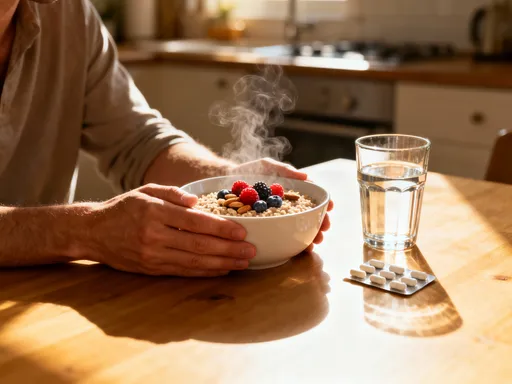
I also paid closer attention to hydration and nutrition. I made an effort to drink more water throughout the day and eat balanced meals with whole grains, lean proteins, and vegetables. These choices weren’t about strict dieting, but about nourishing my body after years of neglect. I learned that the brain needs proper fuel to heal—omega-3 fatty acids, B vitamins, and adequate protein all play roles in neurotransmitter function. Small dietary improvements supported the work the medication was doing.
Mindfulness practices, such as meditation and journaling, further enhanced my progress. Taking five to ten minutes each day to sit quietly and observe my thoughts helped me develop greater self-awareness. I began to recognize early warning signs of stress or emotional imbalance and could intervene before they escalated. Journaling allowed me to track patterns, celebrate small wins, and process difficult emotions. These practices didn’t replace therapy or medication—they complemented them, creating a holistic approach to healing.
Facing Doubts and Staying Committed
Even as progress became evident, doubts still surfaced. The fear of dependency was a recurring concern. Would I always need medication? Was I truly recovering, or just managing symptoms? These questions weren’t signs of failure—they were part of the process. I learned to approach them with curiosity rather than judgment. Through ongoing conversations with my doctor, I gained a clearer understanding of treatment duration and tapering options. We agreed to revisit the plan regularly, ensuring it remained aligned with my goals.
Societal stigma also lingered in the background. I worried what others might think—friends, family, even strangers. Would they see me as weak or lacking willpower? Over time, I realized that these fears often stemmed from misinformation. I chose not to broadcast my treatment, but I also stopped feeling ashamed. My recovery was mine to define. What mattered wasn’t external approval, but internal peace and functionality. The fact that I could now show up for my loved ones, contribute at work, and enjoy quiet moments was evidence enough of progress.
Personal pride was another barrier. I had long believed that asking for help was admitting defeat. But I came to see that seeking support was the opposite of surrender—it was an act of courage. Staying committed meant showing up for appointments, taking medication as prescribed, and being honest about challenges. It meant accepting that healing isn’t a solo journey. My support system—therapists, doctors, trusted friends—played a vital role in keeping me on track. Their encouragement reminded me that I wasn’t alone.
Regular check-ins with my healthcare provider were crucial in maintaining confidence. These visits weren’t just about monitoring side effects—they were opportunities to reflect, adjust, and reaffirm my goals. My doctor never rushed me or minimized my concerns. Instead, we worked as a team, making data-informed decisions based on my experience. This partnership gave me a sense of control and agency, reinforcing that I was an active participant in my recovery, not a passive recipient of treatment.
Looking Back: What I Wish I’d Known Sooner
If I could go back and speak to my earlier self—the one lying awake at 3 a.m., convinced that healing had to be suffered through—I would say this: You don’t have to do it alone. I wish I had known sooner that medication isn’t a sign of failure, but a legitimate, evidence-based tool in recovery. I wish I had understood that asking for help isn’t weakness—it’s wisdom. The path to healing isn’t about enduring pain in silence; it’s about using every safe, compassionate resource available to rebuild your life.
I also wish I had known that recovery isn’t a straight line. There will be days of progress and days of struggle. What matters is persistence. The small choices—taking medication, attending therapy, drinking water, calling a friend—accumulate into lasting change. I used to think recovery meant becoming someone new. Now I see it as returning to myself, piece by piece, with greater compassion and self-awareness.
Every person’s journey is different. What works for one may not work for another. But one truth remains constant: reaching out for support is an act of strength. Whether through therapy, medication, community, or all three, healing is possible. I no longer measure my progress by perfection, but by presence—by the ability to be here, engaged, and hopeful. That, to me, is real recovery.
Medication didn’t fix everything overnight—but it gave me a fairer chance to heal. Combined with care, time, and small daily wins, it helped rebuild what felt lost. If you're struggling, know this: asking for support isn’t giving up. It’s how real recovery begins. Always consult a qualified healthcare provider to find what’s right for you—your journey matters.