How I Tamed My Lipids Naturally — A Real Guide to Feeling Lighter and Living Better
High lipids don’t always show symptoms, but they quietly strain your heart and energy. I ignored mine until a routine check shocked me. That’s when I started digging—not for quick fixes, but for real, lasting changes. What I discovered wasn’t magic, just smart, science-backed habits that actually fit into daily life. This is my journey toward better lipid balance and overall health, shared in case it helps you start yours. Always consult your doctor—this isn’t medical advice, just what worked for me.
The Wake-Up Call: When Numbers Hit Hard
It started with a routine blood test during an annual physical. I had no symptoms—no chest pain, no fatigue, no warning signs. I considered myself fairly healthy: I walked occasionally, avoided fast food most of the time, and didn’t smoke. But when the results came back, my total cholesterol was 240 mg/dL, with LDL (the ‘bad’ cholesterol) at 160 mg/dL, and triglycerides at 190 mg/dL. My doctor said these levels increased my risk for cardiovascular issues over time. That number—240—hit me like a physical blow. I wasn’t sick, but I wasn’t truly well either.
Until then, I didn’t fully understand what lipids were. In simple terms, lipids are fats in the blood, including cholesterol and triglycerides. Cholesterol is used by the body to build cells and produce hormones, but too much—especially in the form of LDL—can accumulate in artery walls, forming plaques that restrict blood flow. HDL, or ‘good’ cholesterol, helps remove excess cholesterol from the bloodstream. Triglycerides store unused calories and provide energy between meals, but high levels are linked to insulin resistance and heart disease. The balance between these components matters more than any single number.
What surprised me most was learning that ‘normal’ lab ranges don’t tell the whole story. For example, a total cholesterol under 200 mg/dL is often labeled ‘desirable,’ but for someone with a family history of heart disease or other risk factors like high blood pressure, even borderline numbers may require attention. Guidelines from organizations like the American Heart Association emphasize individualized assessment. Risk calculators that include age, gender, smoking status, and blood pressure help determine whether lipid-lowering strategies are needed, even if lab values aren’t drastically elevated. My wake-up call wasn’t just about numbers—it was about recognizing that feeling fine doesn’t mean everything inside is fine.
Why Lipid Control Matters More Than You Think
Many people assume that if they’re not experiencing symptoms, their cardiovascular system must be healthy. But lipid imbalances often progress silently, damaging blood vessels long before any outward signs appear. Over time, excess LDL cholesterol can oxidize and trigger inflammation in the arterial lining, leading to atherosclerosis—a hardening and narrowing of the arteries. This process reduces blood flow to the heart and brain, increasing the risk of heart attack and stroke. The damage is gradual, which makes it all the more dangerous because it goes unnoticed until a crisis occurs.
Beyond long-term heart health, lipid balance also affects daily energy and mental clarity. When blood vessels are less efficient due to plaque buildup, circulation slows, and oxygen delivery to muscles and organs becomes less effective. This can lead to persistent fatigue, brain fog, and slower recovery after physical activity. High triglycerides, especially when combined with low HDL, are part of a cluster of conditions known as metabolic syndrome, which increases the risk of type 2 diabetes and fatty liver disease. These connections show that lipid health isn’t just about preventing heart disease—it’s about maintaining vitality as we age.
One of the most persistent myths is that only older adults need to worry about cholesterol. In reality, poor dietary habits and sedentary lifestyles can lead to elevated lipids even in younger individuals. Another misconception is that medication is the only solution. While statins and other drugs are important for some, lifestyle changes remain the foundation of lipid management. The idea that ‘I feel fine’ means ‘I am fine’ can be dangerously misleading. Internal processes don’t always send clear signals, and waiting for symptoms can mean missing the window for preventive action. Understanding this helped shift my mindset from reactive to proactive care.
Food Swaps That Actually Work (No Extreme Diets)
When I first tried to improve my lipid profile, I considered extreme diets—keto, carnivore, juice cleanses—but quickly realized they weren’t sustainable for my lifestyle. What worked better were small, consistent food swaps that added up over time. The biggest shift came from recognizing hidden sources of unhealthy fats. Processed snacks like crackers, cookies, and microwave popcorn often contain trans fats or high levels of saturated fats, even if labeled ‘low-fat.’ Store-bought salad dressings, sauces, and frozen meals can be loaded with sugar and unhealthy oils that raise triglycerides. Reading nutrition labels became a non-negotiable habit.
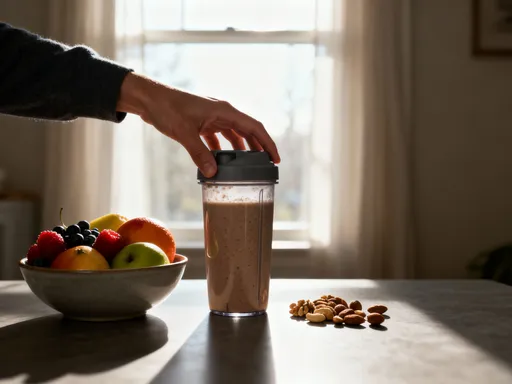
In the kitchen, I made simple changes that had a big impact. I replaced butter with olive oil for cooking and used avocado or nut butters instead of margarine. I increased my intake of soluble fiber, which binds to cholesterol in the digestive system and helps remove it from the body. Foods like oats, beans, apples, and flaxseeds became regulars in my meals. I also prioritized lean proteins—skinless poultry, fish, legumes, and tofu—while limiting red meat and processed meats like bacon and sausage. Fatty fish such as salmon and mackerel, rich in omega-3 fatty acids, became a weekly staple because they help lower triglycerides naturally.
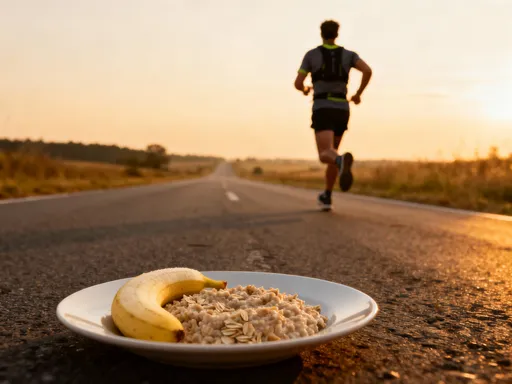
My typical day used to include a bagel with cream cheese for breakfast, a sandwich with deli meat for lunch, and pasta with cheese for dinner—meals high in refined carbs and saturated fat. Now, breakfast might be oatmeal with berries and chia seeds, lunch a large salad with grilled chicken and olive oil dressing, and dinner baked salmon with quinoa and roasted vegetables. These aren’t perfect or restrictive—they’re practical choices that fit within a real life. The key wasn’t deprivation but substitution: choosing foods that support lipid balance without sacrificing satisfaction.
Movement That Fits, Not Dominates, Your Day
Exercise was another area where I initially felt overwhelmed. I thought I needed to join a gym, hire a trainer, or commit to hour-long workouts every day. But research shows that even modest physical activity can significantly improve lipid metabolism. Regular movement helps increase HDL cholesterol, reduce triglycerides, and improve insulin sensitivity. The goal isn’t intensity—it’s consistency. The American Heart Association recommends at least 150 minutes of moderate-intensity aerobic activity per week, which breaks down to just 30 minutes a day, five days a week.
I started by incorporating short bursts of activity into my existing routine. I took the stairs instead of the elevator, parked farther from store entrances, and walked during phone calls. I set a timer to stand and stretch every hour while working from home. These small efforts may seem minor, but studies confirm they contribute to better lipid profiles over time. Walking, in particular, is one of the most effective and accessible forms of exercise. A brisk 30-minute walk most days can lower LDL and raise HDL, especially when done consistently.
What made the difference was reframing movement as part of my day, not an add-on. I stopped thinking of exercise as a chore and started seeing it as self-care. On weekends, I went for longer walks in nature, which also helped reduce stress—a double benefit for lipid control. I didn’t aim for perfection; some days I only moved for 10 minutes, and that was still better than nothing. Over time, these habits became automatic. The message is clear: you don’t need a fitness overhaul to support your lipids. You just need to move more, in ways that work for you.
Sleep, Stress, and the Hidden Lipid Link
One of the most surprising discoveries in my journey was how deeply sleep and stress affect lipid levels. Poor sleep—especially sleeping less than six hours per night—has been linked to higher triglycerides and lower HDL cholesterol. During deep sleep, the body regulates hormones that influence metabolism, including those involved in fat storage and appetite. When sleep is disrupted, these systems become imbalanced, leading to increased fat production and reduced clearance of lipids from the blood.
Chronic stress plays a similar role. When the body is under stress, it releases cortisol and adrenaline, hormones that prepare us for ‘fight or flight.’ In the short term, this is helpful, but when stress is constant, elevated cortisol can increase blood sugar and promote fat storage, particularly around the abdomen. This visceral fat is metabolically active and contributes to insulin resistance and higher triglycerides. Emotional eating—reaching for sugary or fatty foods during stressful times—only compounds the problem.
To address this, I focused on building wind-down routines that supported both sleep and stress management. I set a consistent bedtime and avoided screens at least an hour before sleep. I practiced deep breathing exercises and kept a gratitude journal to calm my mind. I also learned to recognize when I was stressed and took short breaks to reset—stepping outside, listening to calming music, or doing gentle stretching. These habits didn’t eliminate stress, but they helped me respond to it in healthier ways. Over time, I noticed not only better sleep but also more stable energy and improved lab results, reinforcing the connection between mental well-being and physical health.
Tracking Progress Without Obsession
After making these changes, I was eager to see results. I retested my lipids after three months. My total cholesterol had dropped to 210 mg/dL, LDL to 130 mg/dL, and triglycerides to 140 mg/dL. While not yet in the optimal range, the trend was positive. My doctor encouraged me to continue and retest again in three to six months. This experience taught me the importance of patience—lipid changes take time, and progress isn’t always linear.
Beyond the numbers, I noticed non-scale victories that mattered just as much. I had more energy throughout the day, found it easier to climb stairs, and felt mentally sharper. My mood was more stable, and I slept better. These improvements reminded me that health isn’t just about lab values—it’s about how you feel. Tracking progress is important, but becoming obsessed with daily fluctuations can lead to anxiety and burnout. I learned to use numbers as feedback, not judgment. They reflect the impact of my choices, but they don’t define my worth.
I now retest every six months, as recommended for people managing lipid levels. I keep a simple log of my lifestyle habits—meals, movement, sleep—to identify patterns. But I don’t weigh myself daily or track every calorie. The goal is awareness, not control. Celebrating small wins—like choosing a healthy snack or completing a walk—helps maintain motivation. Progress isn’t measured in perfection, but in persistence. Each positive choice builds resilience and reinforces the habit loop, making healthy living easier over time.
Building a Life, Not Just a Plan
What I’ve learned is that sustainable health isn’t about following a rigid plan—it’s about building a life that naturally supports well-being. The changes that lasted weren’t drastic overhauls but small, consistent choices that became part of my routine. I didn’t eliminate all treats or become a fitness fanatic. I simply made better choices more often. Over time, these choices compounded, leading to measurable improvements in my lipid profile and overall vitality.
Support also played a crucial role. I shared my goals with my family, and we started making healthier meals together. My partner joined me on walks, and my children noticed and asked questions, turning it into a teaching moment about health. Accountability, whether through a friend, support group, or healthcare provider, helps maintain momentum. But equally important is self-compassion. There were days I ate cookies, skipped walks, or stayed up too late. Instead of guilt, I practiced kindness and simply returned to my habits the next day. This mindset shift—from perfection to progress—was essential for long-term success.
Looking back, this journey wasn’t just about lowering numbers. It was about reclaiming energy, reducing worry, and feeling more in control of my health. It taught me that I have more influence over my well-being than I once believed. While medical guidance is essential, especially for those with high risk or existing conditions, everyday choices carry real power. By aligning my habits with my values, I built a lifestyle that supports not just my lipids, but my whole self.