How I Smarten Up My Style Spending Without the Regret
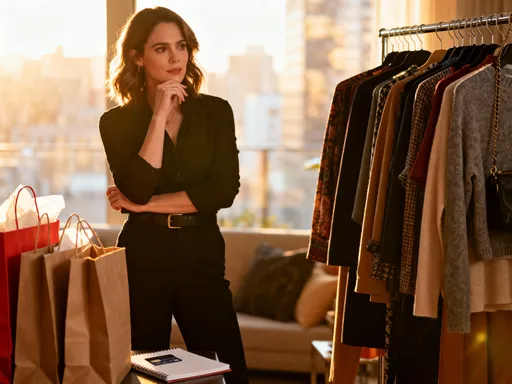
We all love a fresh look—new threads, that limited-edition jacket, the perfect pair of sneakers. But how often does fashion joy turn into financial stress? I’ve been there, swiping for style and cringing at my balance later. Over time, I learned how to enjoy fashion without risking my financial peace. It’s not about skipping trends—it’s about smarter choices. This is how I manage my fashion spend with real strategies that protect my wallet while keeping my confidence high. The journey began with one uncomfortable truth: small, frequent purchases can quietly erode a budget. A $50 top here, a $120 pair of shoes there—it adds up faster than most realize. What felt like harmless self-expression started showing up as strained savings and post-purchase guilt. That’s when I shifted from reacting to trends to building a system. Now, fashion remains a source of joy, but it no longer threatens my financial stability. This isn’t about frugality for its own sake. It’s about aligning spending with values, ensuring every dollar spent on style brings lasting value.
The Hidden Cost of Looking Good
Fashion is more than fabric and price tags—it’s emotion, identity, and social signaling woven into everyday life. Yet beneath the surface of every stylish choice lies a financial current that many overlook. The real cost of looking good isn’t just the checkout total; it’s the cumulative effect of impulse-driven decisions, trend chasing, and the fleeting nature of satisfaction. A survey by the U.S. Bureau of Labor Statistics found that the average American household spends over $1,800 annually on apparel and services. For many, that number climbs higher when accessories, dry cleaning, and online returns are factored in. What’s less visible is how emotional spending fuels this cycle. The dopamine hit from a new outfit can feel like a reward, especially after a stressful week or a personal milestone. But that high is often short-lived, while the financial impact lingers. Consider the common scenario: you see a trending item online, tell yourself it’s a one-time splurge, and justify it with phrases like “I deserve this” or “It’s on sale.” Weeks later, the item sits unworn in your closet, the novelty worn off, the budget dented.
Why does this happen so frequently? The answer lies in how fashion marketing taps into psychological triggers. Limited-time offers, influencer endorsements, and algorithm-driven ads create a sense of urgency and social validation. These tactics are designed to bypass rational thinking and trigger emotional responses. The brain’s reward system lights up at the prospect of novelty and belonging, making it harder to pause and assess whether the purchase aligns with long-term goals. This isn’t about weakness—it’s about design. The fashion industry thrives on turnover, encouraging constant consumption by redefining what’s “in” every few months. As a result, many consumers fall into a cycle of buying, wearing briefly, and discarding—only to repeat the process. Over time, this pattern doesn’t just clutter closets; it strains finances and diminishes the joy of ownership. Recognizing this dynamic is the first step toward change. When you begin to see fashion spending not as isolated events but as part of a larger financial behavior, you gain the clarity needed to make more intentional choices.
Why Risk Management Belongs in Your Wardrobe
At first glance, risk management might seem like a concept reserved for stock portfolios or insurance policies—not something that applies to choosing jeans or jackets. But in reality, every fashion purchase carries a degree of financial risk. Will the item last? Will it fit into your lifestyle? Could it become outdated in a season? These are not just style questions—they are financial assessments. Just as an investor evaluates risk before buying a stock, a thoughtful consumer evaluates the potential downside of a clothing purchase. Overspending on fast fashion, for example, may offer short-term savings but often leads to higher long-term costs due to poor durability and frequent replacement. On the other hand, investing in a luxury item without considering wear frequency can tie up capital in underutilized assets. The goal is not to eliminate all risk but to manage it wisely, ensuring that fashion spending aligns with both personal taste and financial health.
Treating your wardrobe as a portfolio encourages a shift in mindset. Instead of viewing clothes as disposable, you begin to see them as assets with varying levels of return on investment. A well-made coat worn for ten winters offers far greater value than five trendy jackets worn once each. This perspective helps counteract the allure of hype-driven purchases—those limited-edition drops or viral items that promise instant social currency but often deliver short-lived satisfaction. By applying a risk-reward lens, you start asking better questions: What is the likelihood this item will remain useful? How does it complement existing pieces? Could a similar item be found at a lower price point? These questions don’t eliminate desire, but they introduce a necessary pause, allowing rational thinking to catch up with impulse. Over time, this approach reduces financial volatility caused by erratic spending and builds a more stable, satisfying wardrobe. It’s not about perfection—it’s about progress, one mindful decision at a time.
Building Your Personal Fashion Budget Framework
A clear budget is the foundation of any sound financial strategy, and fashion is no exception. Without a defined limit, it’s easy to overspend, especially when faced with constant marketing pressure and social influences. The first step in building a personal fashion budget is understanding your current spending habits. Start by reviewing bank statements or credit card transactions from the past six to twelve months. Categorize each clothing-related purchase: was it a necessity like workwear or seasonal basics, or a discretionary buy like designer accessories or trendy footwear? This audit often reveals surprising patterns—perhaps you spend more on shoes than you realized, or your online shopping spikes during stressful periods. Awareness is the starting point for control.
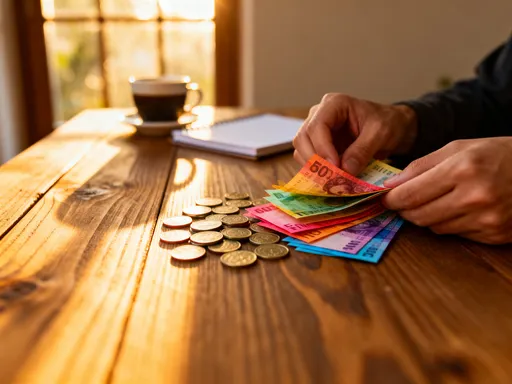
Once you have a clear picture, the next step is setting a realistic budget based on your income and lifestyle. Financial advisors often recommend allocating 5% of take-home pay to discretionary spending, which can include fashion, entertainment, and dining out. Within that, a portion—say, 1% to 2%—can be dedicated specifically to clothing. For someone earning $4,000 monthly after taxes, that translates to $40 to $80 per month on fashion. This may seem modest, but it encourages prioritization. The key is flexibility: you might save for three months to afford a $200 winter coat, or allocate more in spring for seasonal updates while scaling back in fall. Tools like envelope budgeting—where cash is set aside in labeled envelopes for different categories—or digital apps like Mint or YNAB (You Need A Budget) can help track spending in real time. Some users even create separate bank accounts for discretionary spending, transferring a fixed amount each month to avoid overspending.
Equally important is distinguishing between essentials and indulgences. Essentials include items that serve a functional purpose: work-appropriate attire, weather-appropriate outerwear, or school uniforms for children. Indulgences are pieces bought for pleasure—designer labels, statement jewelry, or trend-driven pieces. By categorizing purchases this way, you gain clarity on where your money goes and can make informed trade-offs. For example, if you allocate $60 monthly and spend $45 on a pair of work boots in January, you know you have $15 left for the rest of the month. This structure doesn’t eliminate enjoyment; it ensures it’s sustainable. Over time, consistent tracking builds financial confidence, reducing the anxiety that often follows unplanned spending.
The 3-Question Rule That Stops Impulse Buys
When faced with a tempting item—whether in a store or on a mobile app—the difference between a regrettable purchase and a satisfying one often comes down to a brief pause. The 3-Question Rule is a simple but powerful tool designed to create that pause. It doesn’t require spreadsheets or complex analysis—just honest self-reflection. The first question is: Do I love it, or just like it? This distinction matters. “Loving” an item means it resonates deeply with your personal style, fits well, and feels worth the investment. “Liking” it often means it’s trendy, eye-catching, or influenced by external validation. The second question is: Will I wear it at least 10 times? This benchmark, popularized by fashion sustainability advocates, forces consideration of utility. A $100 dress worn once costs $100 per wear; the same dress worn ten times costs $10 per wear. The third question is: Does it fit my current lifestyle? A sequined gown might be beautiful, but if you rarely attend formal events, it’s unlikely to earn its keep. Similarly, oversized streetwear may look great in photos but feel impractical for daily errands or school drop-offs.
Applying these questions in real time changes decision-making. Imagine standing in a store, drawn to a bold-print blouse. You ask the first question and realize you’re mostly attracted to the color, not the cut or fabric. The second question reveals you already have three similar blouses and rarely wear them. The third confirms it doesn’t match your professional environment. With that clarity, walking away becomes easier. Conversely, when you consider a well-tailored blazer and answer “yes” to all three, the purchase feels justified. This rule works because it shifts focus from immediate desire to long-term value. It’s not about denying yourself pleasure—it’s about ensuring that pleasure lasts. Over time, users of this method report fewer returns, less closet clutter, and greater satisfaction with their wardrobes. The beauty of the 3-Question Rule is its simplicity. It doesn’t require expertise or willpower; it just requires asking the right questions at the right time.
Quality Over Hype: How to Spot Real Value
In a world where social media fuels constant trend cycles, distinguishing between genuine quality and manufactured hype is essential. Real value in fashion isn’t determined by price alone. A $300 designer jacket may be poorly made, while a $80 piece from a lesser-known brand could last for years. The key is learning how to assess craftsmanship. Start with fabric: natural fibers like cotton, wool, and linen tend to be more durable and breathable than synthetic blends. Check the stitching—tight, even seams with double stitching at stress points indicate care in construction. Buttons should be securely attached, and zippers should glide smoothly. Inside, look for linings that are fully finished, not just tacked on. These details may seem minor, but they directly impact how long a garment lasts and how it wears over time.
Equally important is brand reputation and transparency. Companies that invest in ethical production, fair labor practices, and sustainable materials often produce higher-quality goods. While not a guarantee, it’s a strong indicator. Researching a brand’s history, customer reviews, and return policies can provide insight into reliability. Another red flag is the “hype trap”—limited-edition releases, influencer collaborations, or exclusive drops designed to create urgency. These items are often priced higher not because of superior quality, but because of artificial scarcity. While owning one might feel exciting, the long-term value is often low. Instead, focus on building a versatile wardrobe with timeless pieces: a classic trench coat, a well-fitting pair of jeans, a neutral blazer. These items transcend seasons and can be mixed and matched, reducing the need for constant new additions. This capsule-like approach not only saves money but also simplifies decision-making. When your wardrobe is built on quality foundations, trends become accents, not obligations.
The Resale & Rental Edge: Style Without Ownership Risk
One of the most transformative shifts in modern fashion is the rise of alternative ownership models. You no longer need to buy an item to enjoy wearing it. Clothing rental platforms like Rent the Runway and Nuuly allow users to access high-end fashion for special occasions—weddings, galas, or milestone birthdays—without the full purchase price or long-term storage burden. A $2,000 designer gown rented for $200 is not only cost-effective but also environmentally responsible, as it reduces demand for single-use garments. These services typically include dry cleaning and offer flexible return windows, making the process seamless. For many users, renting has become a practical solution for events where looking polished matters, but owning the outfit does not.
Meanwhile, the secondhand market has evolved from thrift stores to sophisticated online resale platforms like Poshmark, ThredUp, and The RealReal. These sites offer verified pre-owned items, often in like-new condition, at a fraction of retail prices. A $500 handbag might be available for $250, with authenticity guaranteed. Selling your own gently used clothing can also generate funds to reinvest in new pieces, creating a circular fashion economy. This model reduces waste, supports sustainability, and lowers the financial barrier to premium brands. Concerns about hygiene and fit are valid, but most reputable platforms have strict cleaning standards, detailed size guides, and easy return policies. By embracing resale and rental, consumers gain more choice without increasing debt. It’s a practical way to experiment with style, test new brands, or wear something bold for a night out—all while protecting your budget. These options don’t replace ownership but complement it, offering flexibility and reducing the pressure to buy everything outright.
Long-Term Style Confidence: When Spending Feels Worth It
True financial confidence in fashion comes from alignment—when what you wear reflects who you are, and how you spend reflects what you value. This isn’t achieved overnight, but through consistent, thoughtful choices that compound over time. As you apply budgeting, quality assessment, and intentional buying habits, your wardrobe begins to shift. It becomes less cluttered, more cohesive, and more representative of your personal style. You stop chasing trends because you’ve defined your own aesthetic—your “style DNA.” This might mean favoring neutral tones, investing in tailored silhouettes, or prioritizing comfort without sacrificing polish. When your choices are rooted in identity rather than influence, the need for constant new purchases diminishes.
This shift brings tangible benefits. Returns decrease because you buy less impulsively. Closet overwhelm fades because every item has a purpose. Financial stress lessens because spending stays within boundaries. More importantly, joy increases—not from the act of buying, but from the act of wearing. There’s a quiet satisfaction in putting on an outfit that fits perfectly, feels comfortable, and expresses your personality without a second thought. That confidence isn’t bought in a single transaction; it’s built through repeated, mindful decisions. It’s the result of choosing a durable coat over a flashy one, of renting for the big event instead of going into debt, of asking the three questions before swiping. These choices may seem small in the moment, but over months and years, they create a life of greater control and less regret.
Fashion doesn’t have to be a financial liability. With awareness, structure, and a few smart rules, it can be a source of confidence and expression without risk. The key isn’t restriction—it’s intention. When you treat every purchase as a small financial decision, not just a style one, you gain control. Over time, those choices compound into freedom: freedom from regret, from clutter, from overspending. That’s the real trend worth following.